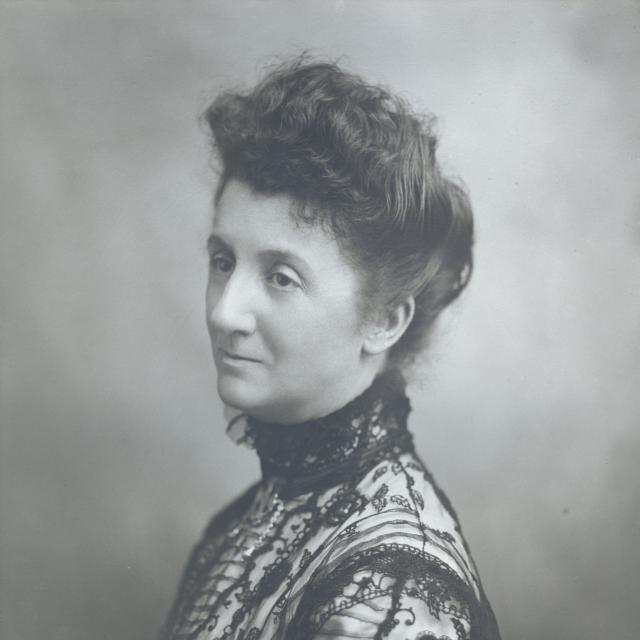
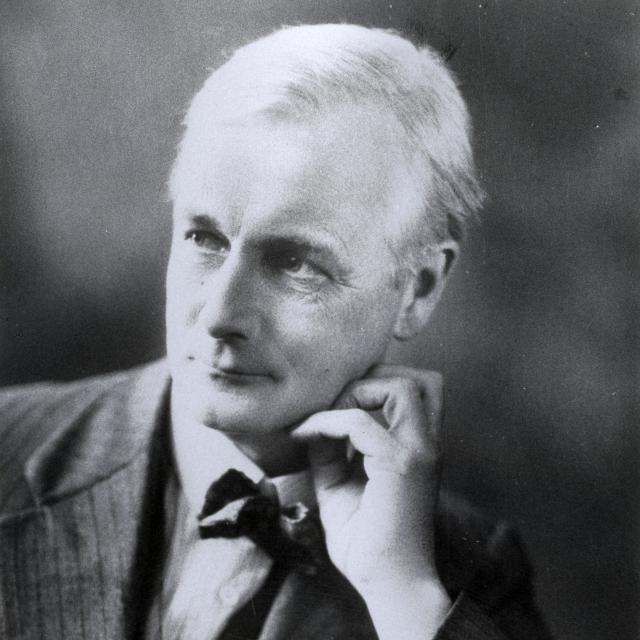
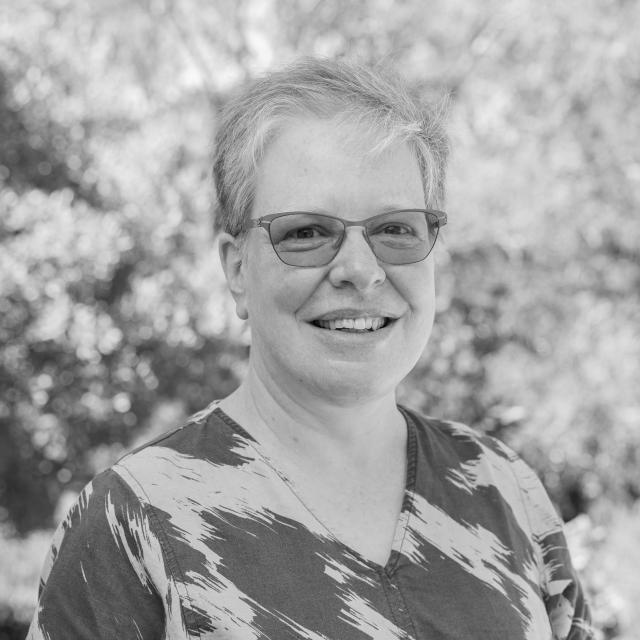
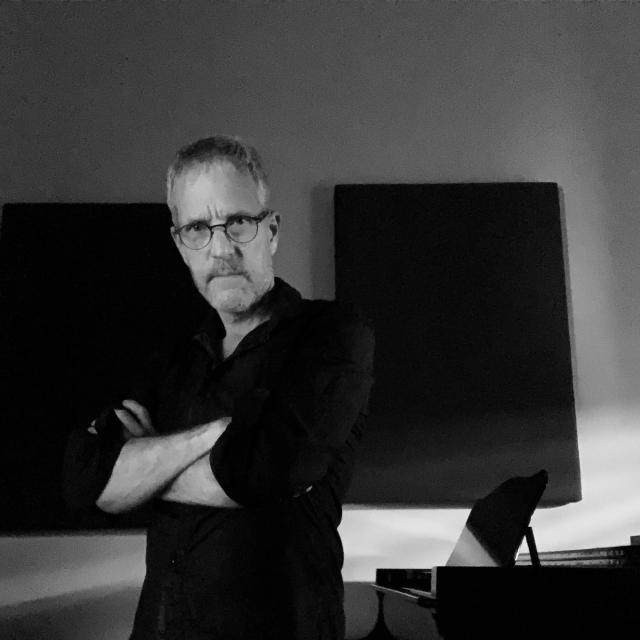
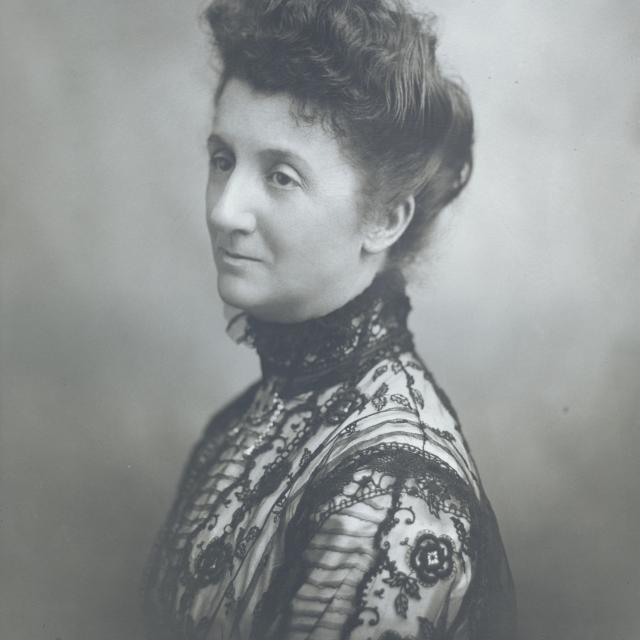
The South African College of Music (SACM) was founded in Cape Town in 1910 as an independent music school at what is today the University of Cape Town (UCT). The initiative was led by a group of musicians headed by Madame Apolline Niay-Darroll, a central driving force behind the establishment of the College and its first Principal. Born in Warwickshire, Niay-Darroll trained at the Royal College of Music under Franklin Taylor and had previously founded a conservatoire in New South Wales before arriving in South Africa in 1893. Her vision, shared by the College’s founding council—which included prominent figures such as Frederick Smith (Mayor of Cape Town from 1908–1912) and the Earl of Selbourne (the first president of the SACM council)—was to create a “national musical institution for the whole of South Africa,” reflecting the wider ideals of “South Africanism” present at UCT at the time.
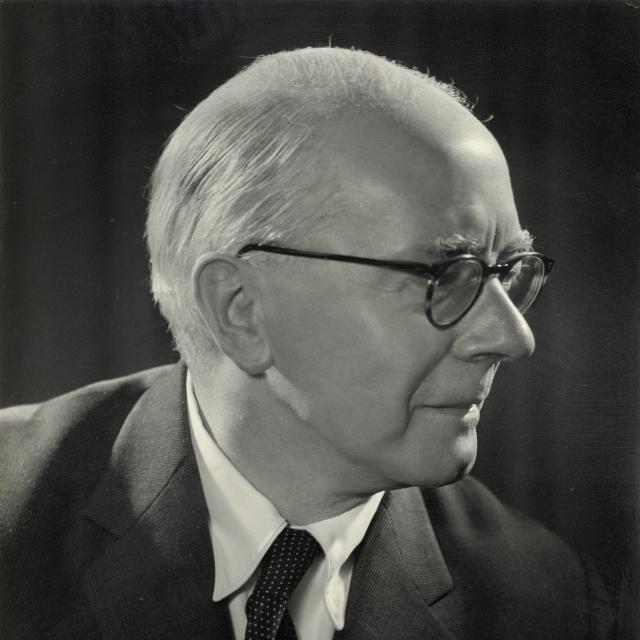
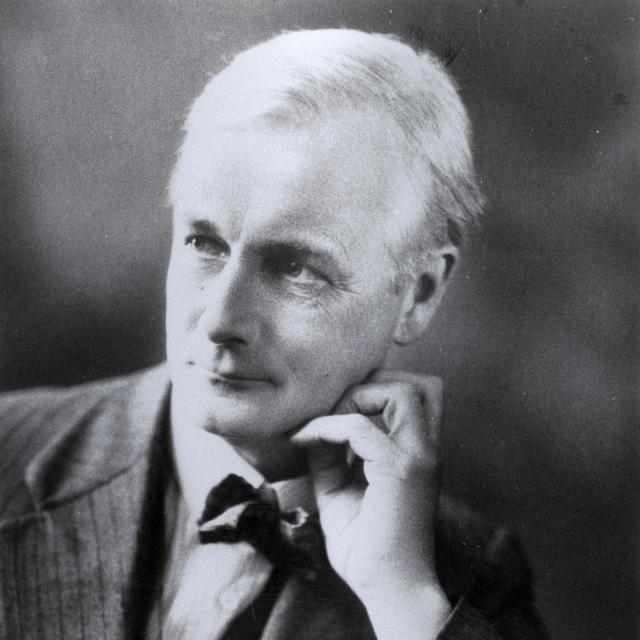
The South African College of Music was officially opened on 20 January 1910 by Mayor Frederick Smith, with 33 students enrolling in its inaugural year. The College began on the first floor of the Bank of Africa building in Strand Street. By 1912, the distinguished English composer William Henry Bell (1873–1946) was appointed Principal. Under his leadership, the College grew rapidly and moved in 1914 to larger premises in Stal Plein.
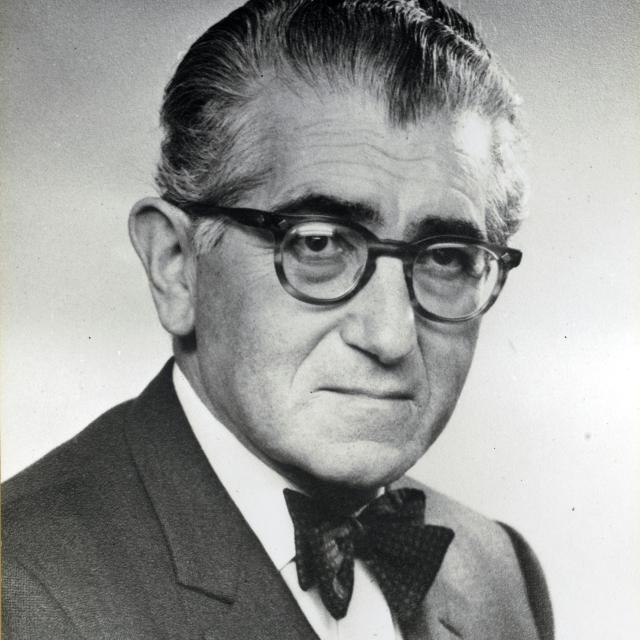
The relationship between the SACM and UCT deepened in the years following the First World War. In 1919, senior SACM staff began teaching general music courses to UCT students. This collaboration expanded significantly in 1921 with the introduction of a Bachelor of Arts degree in Music at UCT, for which Bell was appointed as Professor of Music. His dual leadership role laid the groundwork for the formal incorporation of the SACM into the University. In 1923, the South African College of Music became part of UCT through the establishment of a full Faculty of Music, with Bell as its first Dean—a position he held until his retirement in 1935. Bell’s contribution to South African musical life extended far beyond administration: he profoundly shaped the early activities of the College and played a formative role in the development of some of the country’s major mid-20th-century composers.
Despite the incorporation, the SACM retained much of its earlier character. For many years its student body consisted predominantly of schoolgirls taking part-time practical lessons; indeed, its integration into the University tripled UCT’s number of women students. Financially, the merger was hoped to benefit both institutions through increased fee income and the resulting boost in government subsidy.
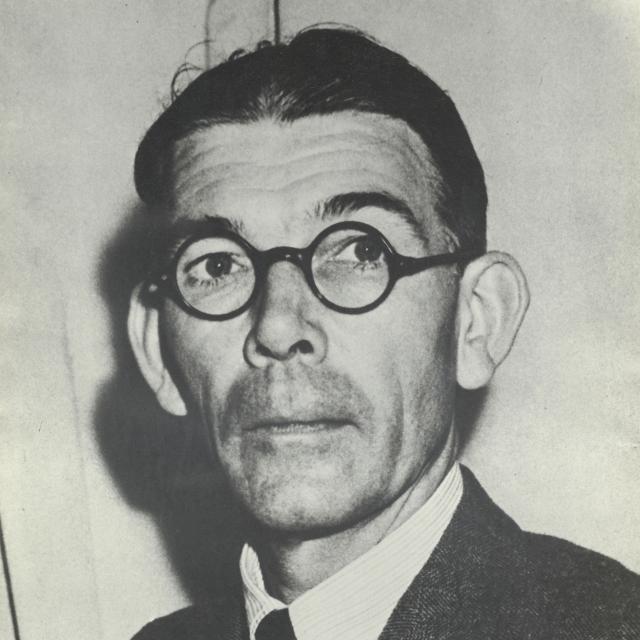
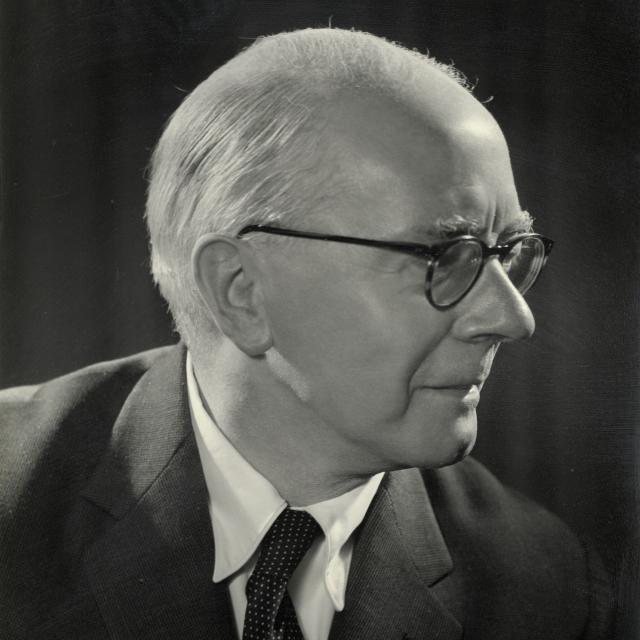
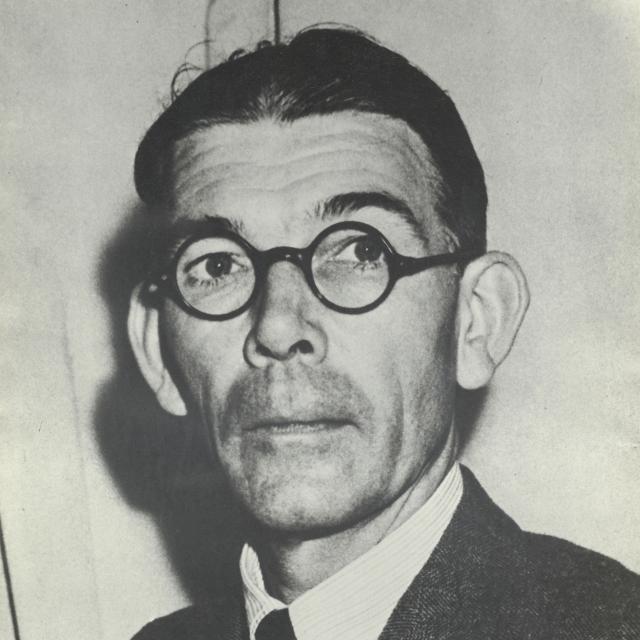
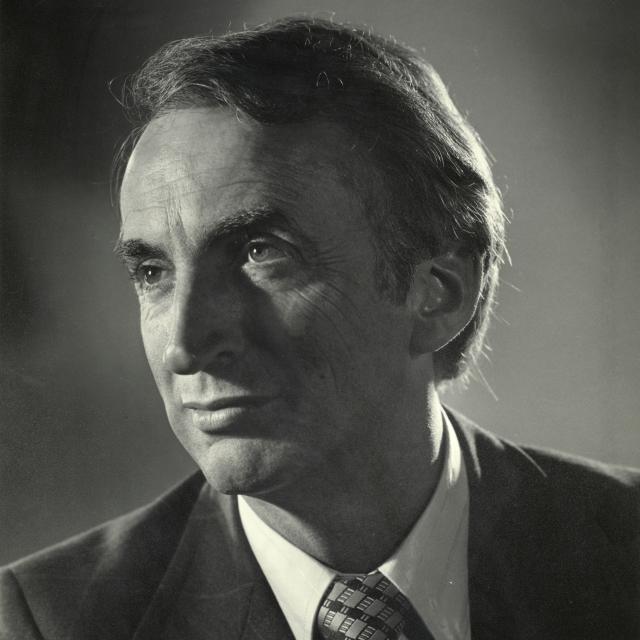
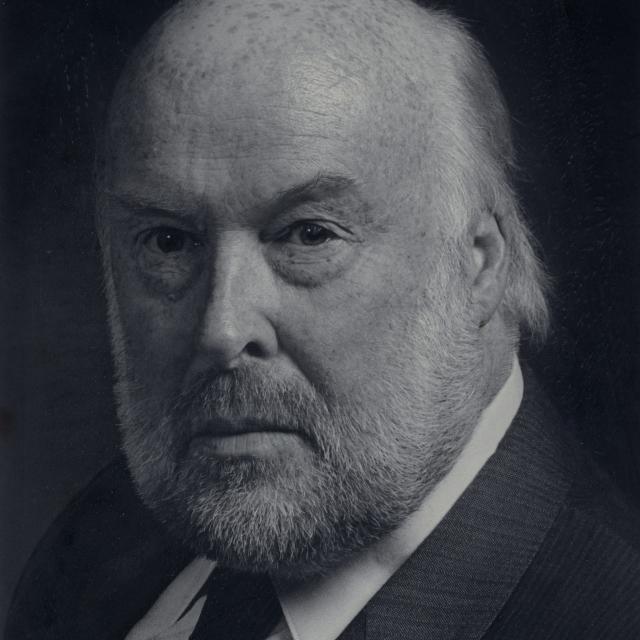
During these early decades, the SACM was shaped by a distinctly British ethos modelled primarily on the British conservatoire model with an emphasis on practical music training rooted in British traditions. Bell had been trained at the Royal Academy of Music, and his successors continued this pattern. Stewart Deas, a Scotsman educated at the University of Edinburgh and a former conducting pupil of Felix Weingartner, succeeded Bell but returned to Edinburgh in 1938. He was followed in 1939 by Eric Grant, whose own training was steeped in the British conservatoire tradition. In 1946, the Scottish composer, conductor, organist, and pianist Erik Chisholm (1904–1965) became Dean and Director. Educated at the University of Edinburgh under Sir Donald Tovey, Chisholm placed even greater emphasis on practical musical training, further entrenching the performance-focused character of the College.
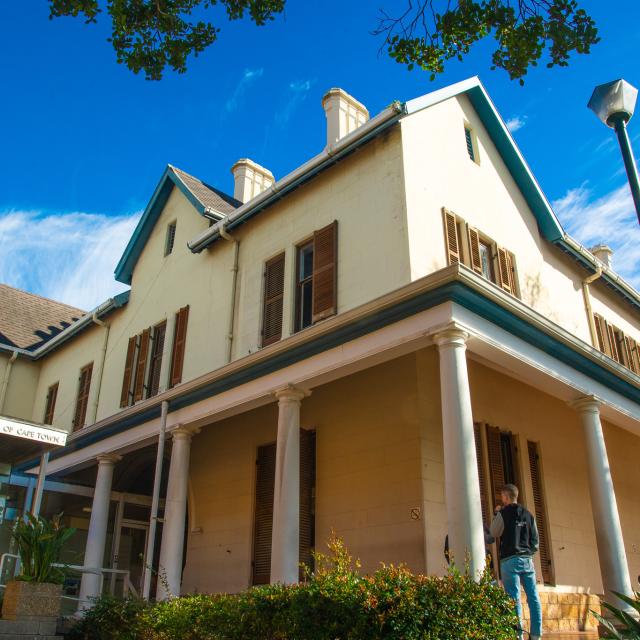
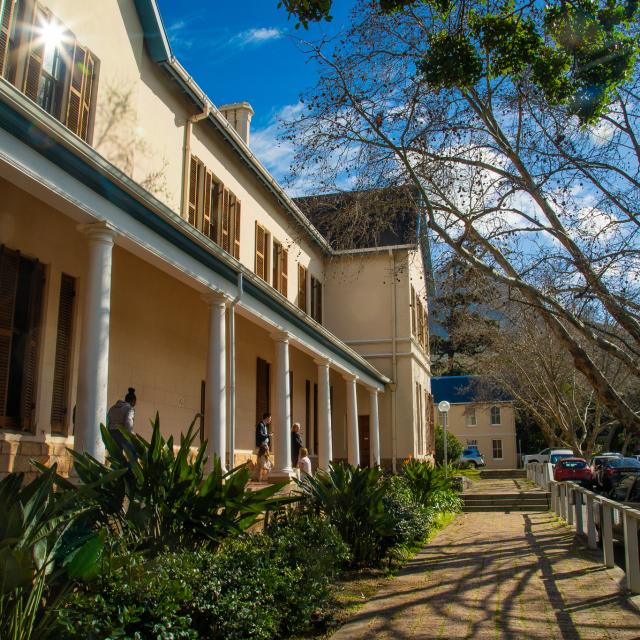
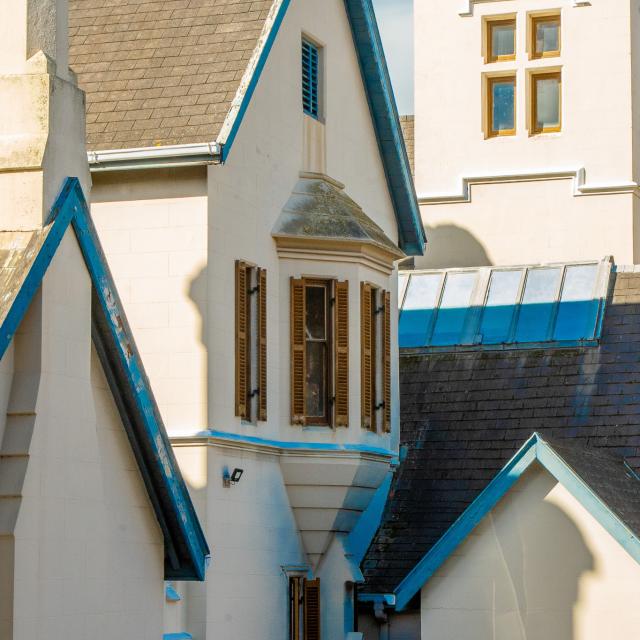
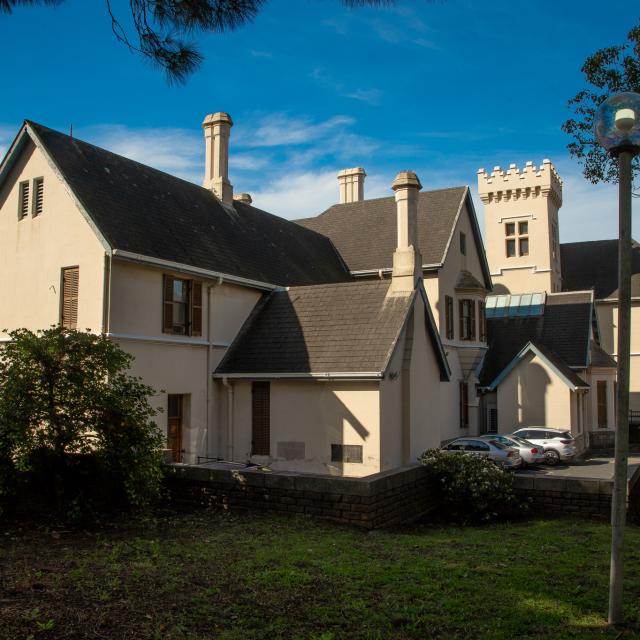
Strubenholm residence
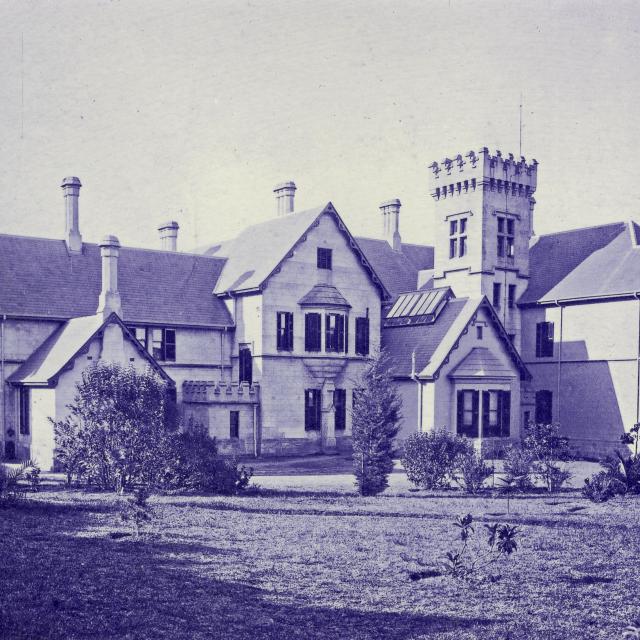
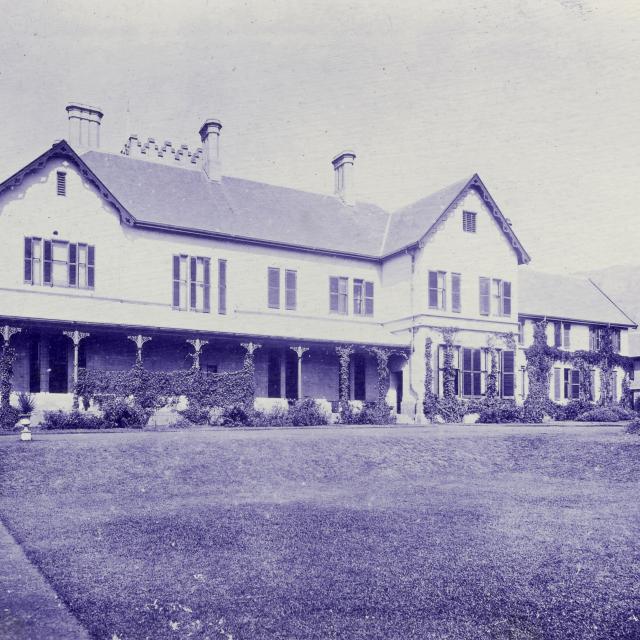
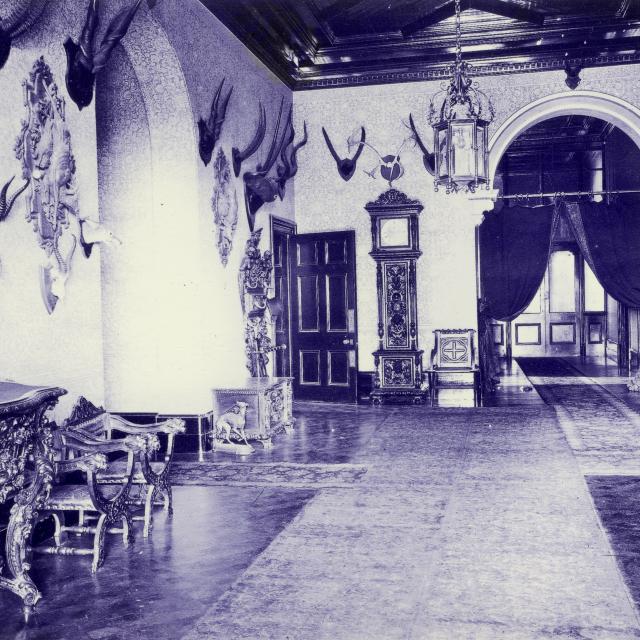
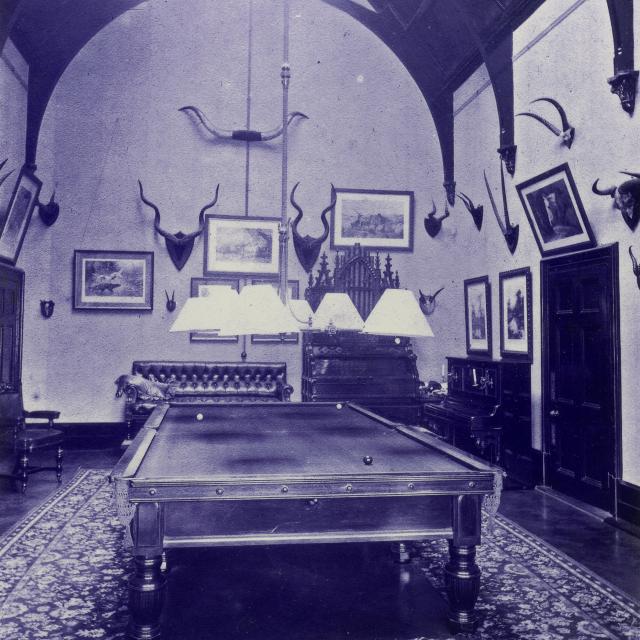
The physical home of the South African College of Music has been “Strubenholm,” formerly the private residence of Harry Struben, which became the College’s headquarters in 1925.
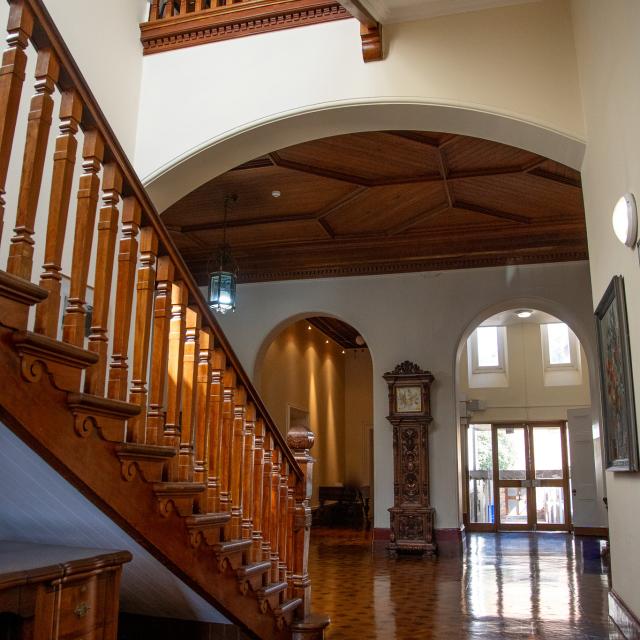
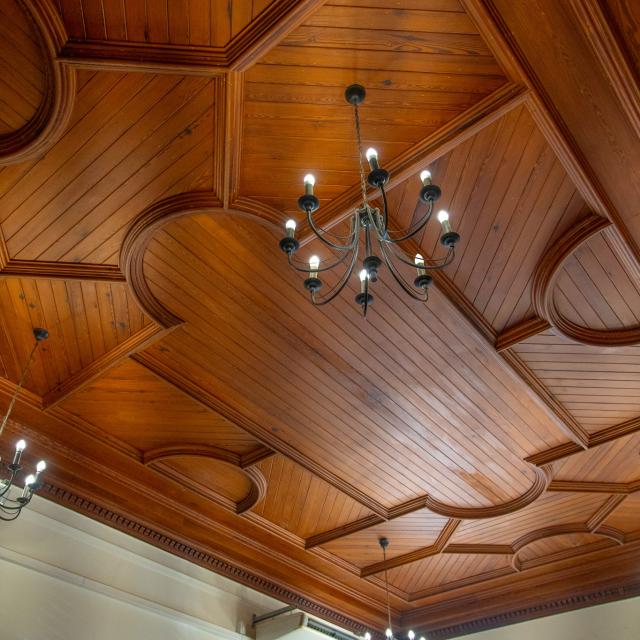
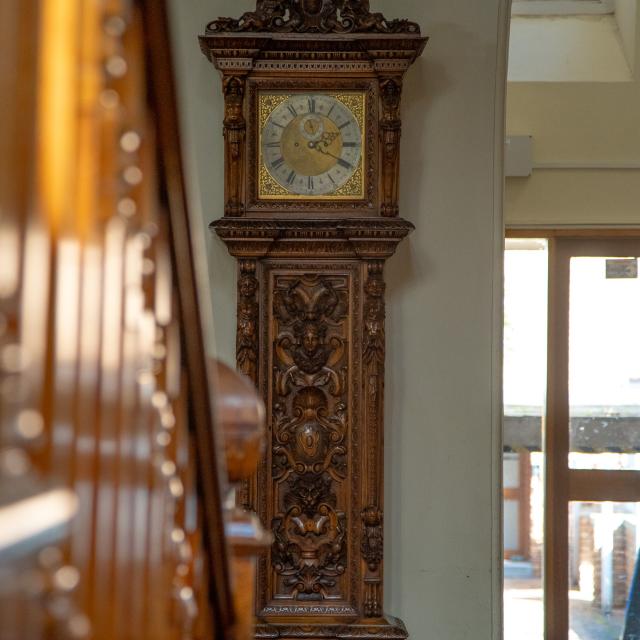
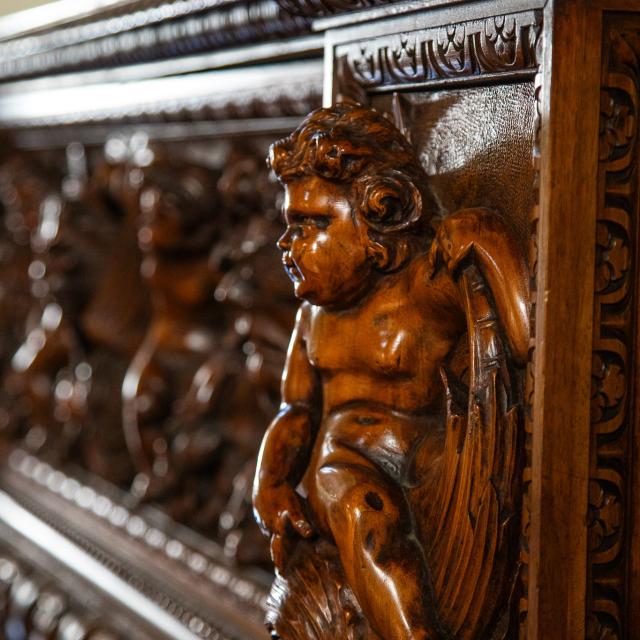
Major expansion of the facilities came in the 1970s. At the end of 1972, two new buildings linked to Strubenholm were completed. The first included the 160-seat Chisholm Recital Room, named in honour of Erik Chisholm; an opera studio, the Fiasconaro Room, commemorating Gregorio Fiasconaro, long-time director of the Opera School and Opera Company. Nearly one hundred teaching and practice studios were added. The second new building housed the W. H. Bell Music Library, an extensive specialist resource containing more than 52,000 books, scores, and audio-visual materials. In addition there are recording and electronic music studios and a listening laboratory.
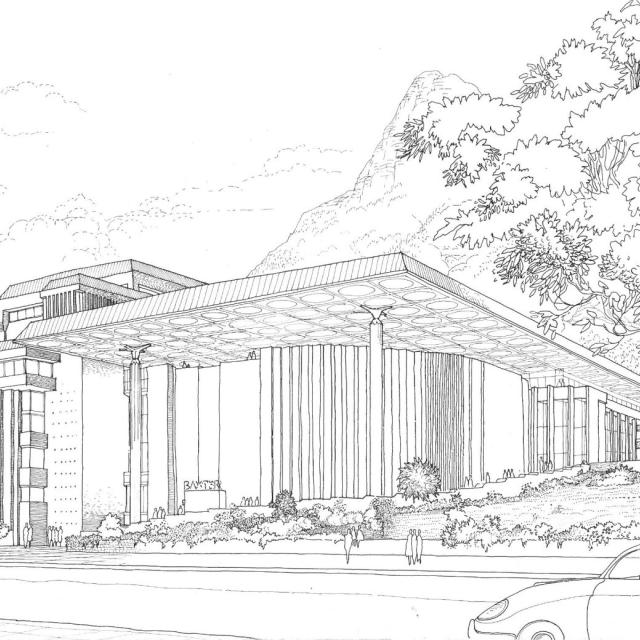
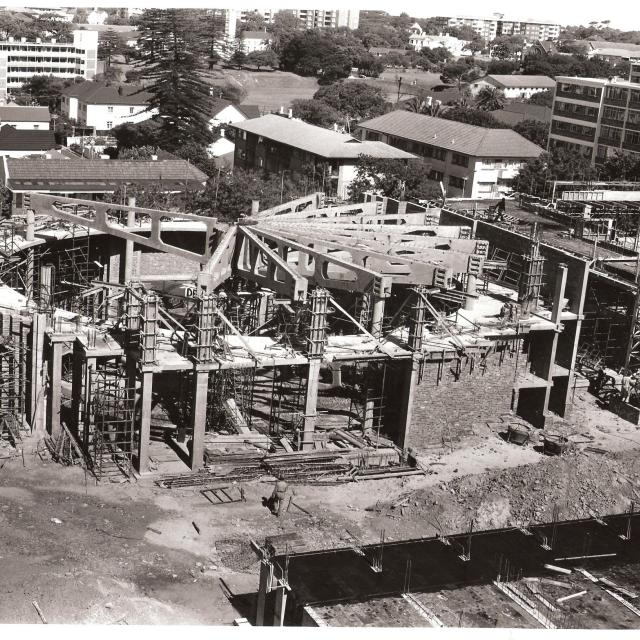
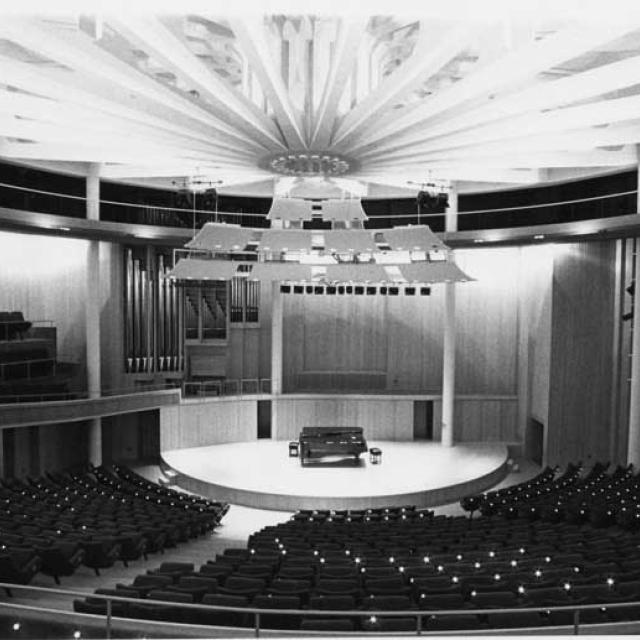
In 1976, the SACM gained an additional major performance and teaching venue with the opening of the adjacent Baxter Theatre complex. The 638-seat Concert Hall with its outstanding Von Beckerath organ, is an important performing and teaching venue for the SACM.
UCT’s acquisition of the Kirby Collection of African, European, and Asian musical instruments in 1981 acted as a catalyst for the introduction of African Music at the university.
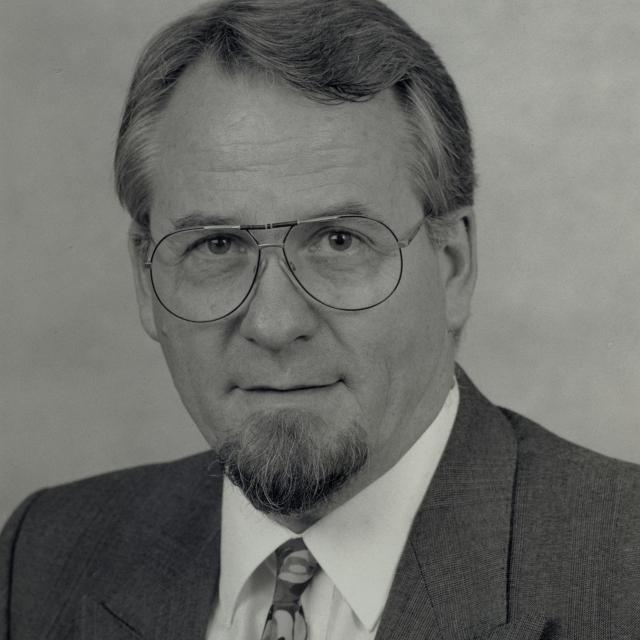
Prof Gerrit Bon introduced Jazz specialisation in 1989 with the full time appointment of Michael Campbell.
Institutionally, a significant change occurred in 1999 when the Faculty of Music was dissolved and incorporated into the broader Faculty of Humanities, reflecting shifts in academic structure at UCT.
Baxter Theatre
Today, the South African College of Music serves approximately 300 students. It offers a rich array of degree and diploma programmes spanning African music and Worlds of Music, Classical Music, Classical Composition, Jazz, Opera, and Music Technology, continuing its long-standing commitment to both specialised practical training and broad musical scholarship. More than a century after its founding, the SACM remains a vital and influential centre of South African musical life, fulfilling and continually expanding upon its original vision of serving the nation’s musicians.