
Fresh tracks for Wright and Mazel's history of the uKhahlamba Mountains
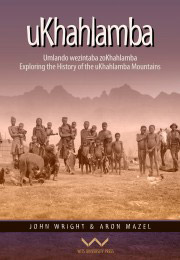
Since the arrival of literate European settlers in what is now KwaZulu-Natal in the second quarter of the nineteenth century, numerous stories about the Drakensberg region have made their way into print. 'But for every story which happens to have been written down, there are many others which have not, and which are therefore unavailable to us in our aim of wanting to establish a modern-day understanding of the history of the Drakensberg,' write the authors, who have tried to open up ways of looking at the region's past, which go beyond the mainly 'colonial' views which have predominated in the literature up until recently.
The uKhahlamba mountains have been the home of many different groups of people for a very long time. Small groups of hunter-gatherers began living in rock shelters there at least 27 000 years ago. Their descendants were San people who still lived there as recently as a hundred years ago.
About 600 years ago, groups of African farmers began building their villages near the foothills, and grazing their cattle into the mountains. From the 1840s, European settlers
in the colony of Natal began laying out farms for sheep and cattle in the foothills of the mountains. They drove out the San, and brought the African farmers under their domination.
In the twentieth century the settlers and their descendants began to use the land for purposes besides farming, especially for developing tourism and leisure activities, and 
supplying water for industry. Africans became labourers on the farms and in South Africa's towns and cities.
Exploring the History of the uKhahlamba Mountains tells about the coming of these different peoples to the mountains, and describes the different ways of life that they established, sometimes peacefully, sometimes violently. Constructed from archaeological and written sources, it highlights the histories of the indigenous San hunter-gatherers and black farmers, as well as those of the European colonisers. The accessible text is complemented by full colour photographs of the landscape, rock art and archaeological finds.