
Liberating new collection goes beyond the blinkers on African independence struggles
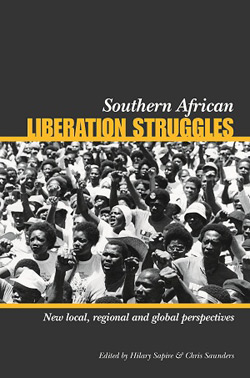
So African history scholars welcomed the recent release of a new book, entitled Southern African Liberation Struggles, edited by Hilary Sapire and APC Research Associate Chris Saunders. Published by UCT Press, this collection of essays was launched at the Book Lounge in Cape Town on 15 November.
The collection illustrates the intertwined histories of southern African liberation struggles and those of regional and international solidarity movements from the 1960s to the establishment of a non-racial democracy in South Africa in 1994, reflecting the new directions currently being taken by 'indigenous' southern-African based scholars, and those writing from abroad.
Distinct from the polemical, hagiographic, justificatory or partisan accounts that have flowed since the inception of the liberation struggles, the essays probe beyond the heroic portrayals of armed struggles and nationalist resistance to examine the fissures and tensions that existed within them.
The essays also provide insights into the more troubling and darker aspects of the movements' histories: human rights abuses perpetrated by the 'liberators'; the important, if ambiguous, roles played by other southern African states which hosted, and provided succour for, the ANC and its armed wing, Umkhonto we Sizwe (MK) in exile; the support provided to the Pan-Africanist Congress (PAC) by the Lesotho government and the ways in which the fractious and personality-dominated politics of the organisation contributed to its weakness and ultimate eclipse by the ANC; the relationship between Muslims in Northern Mozambique and that country's liberation movements.
The collection's uniqueness lies in drawing together internal and external struggles in exile. And it provides new insights into the relationships that exiles and guerrillas developed with host societies and solidarity organisations, both within the southern African region, and in the United Kingdom.