Science teaching gets creative


Pictured above: The Royal Chemistry Society utilised the new School of Education lab space to host an advanced content chemistry course for 30 teachers from the Western Cape Province.
A new purpose-built facility is enhancing the preparation of prospective science teachers at the University of Cape Town. The UCT School of Education’s Science Teaching Laboratory has been designed for practical experimentation and, to enable students to develop the competencies required in real-life teaching contexts.
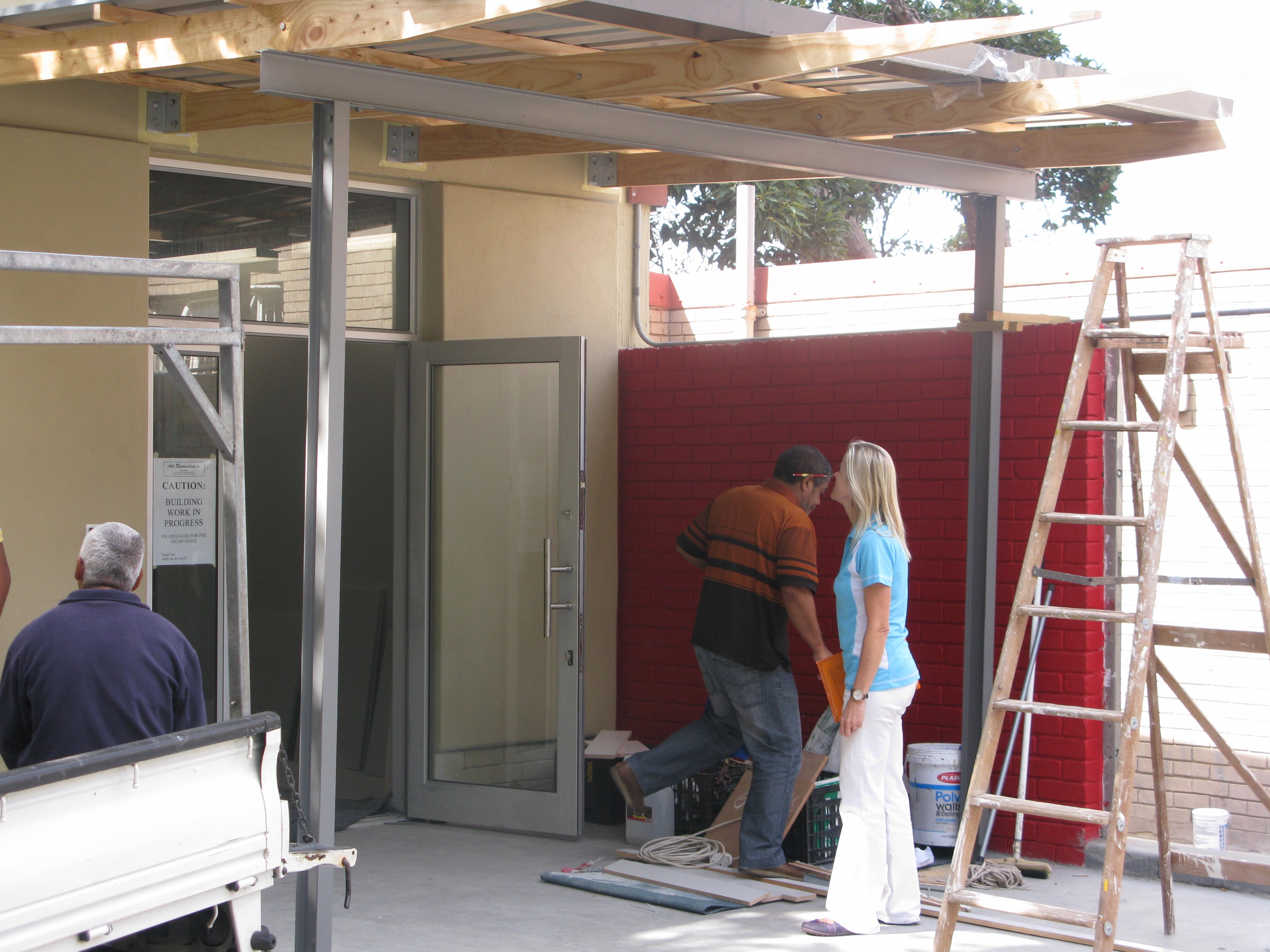
In South Africa, physical science teachers are in short supply with some schools, particularly those in disadvantaged communities, lacking the resources (teachers, materials and facilities) to be able to offer this subject in high school. At the University of Cape Town, teacher education is available to postgraduate students through the School of Education. UCT lecturer Associate Professor Annemarie Hattingh, who has been involved in the lab project since its inception in 2014, has a strong interest in physical science education and in curriculum design for problem-based learning environments. She says that one of the first challenges was securing an appropriate space at UCT for the new ‘hands-on and minds-on’ education facility. The next challenge is ongoing and involves sourcing curriculum-compliant materials, chemicals and state of the art equipment. Due to the high cost involved, the possibility of sharing resources with the university’s Physics and Chemistry departments (Faculty of Science) is being investigated.
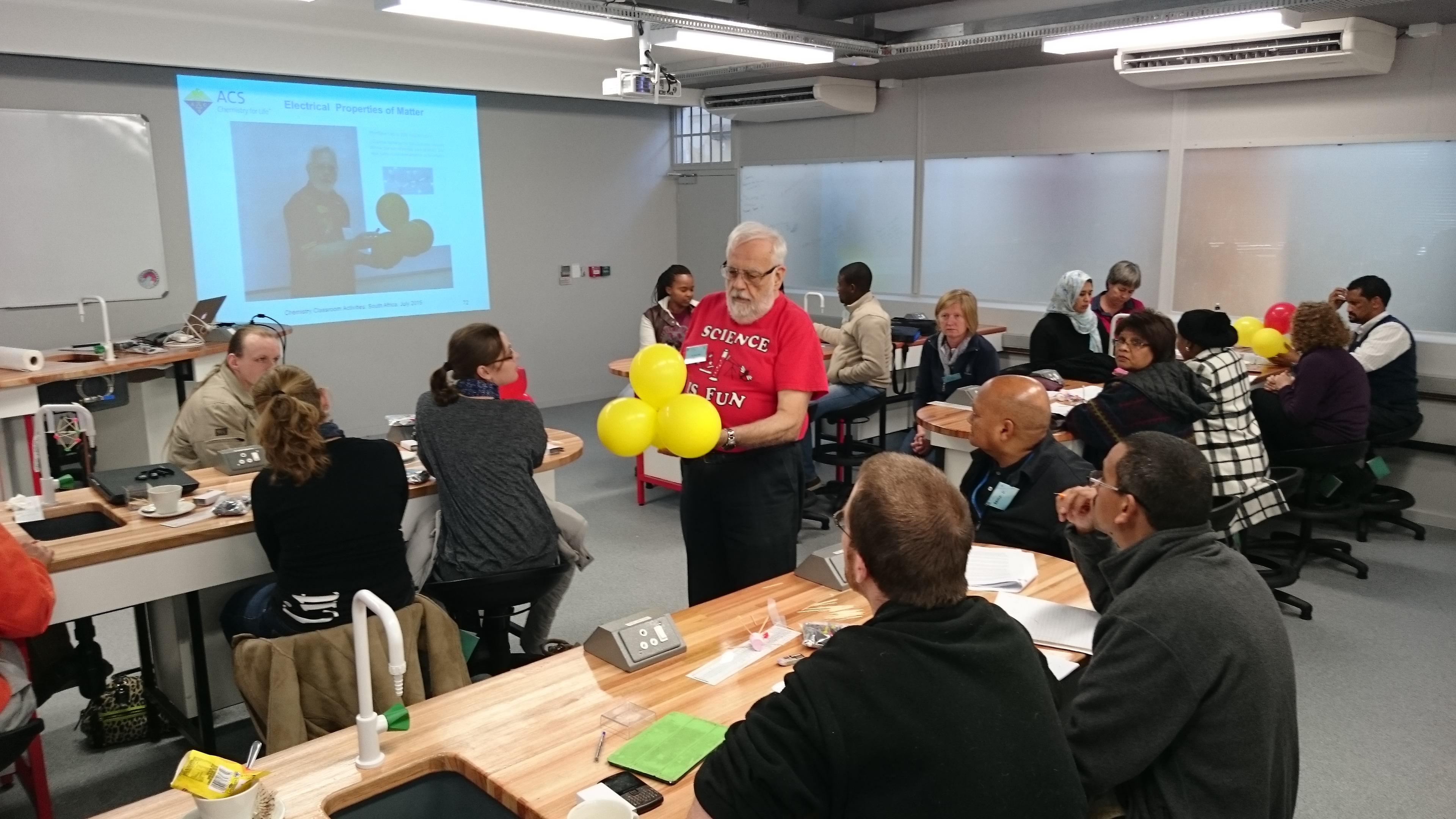
Hattingh is adamant that this is not another campus science laboratory but instead, a creative space where the next generation of school teachers can become inspired, improve their understanding of the science curriculum, practice how to teach science content meaningfully and share best practice. “This is a very lively space allowing for 21st century creative ingenuity! In our lab, prospective teachers conduct hands-on and minds-on science practical work themselves. Our students are not told how to teach, but instead get practice teaching science that may lead to deep learning of concepts, science processes and nature-of-science. We aim to produce graduates who will transfer their specialist knowledge and teaching competencies into a variety of school contexts,” she says.