SA installation at the Tate Modern
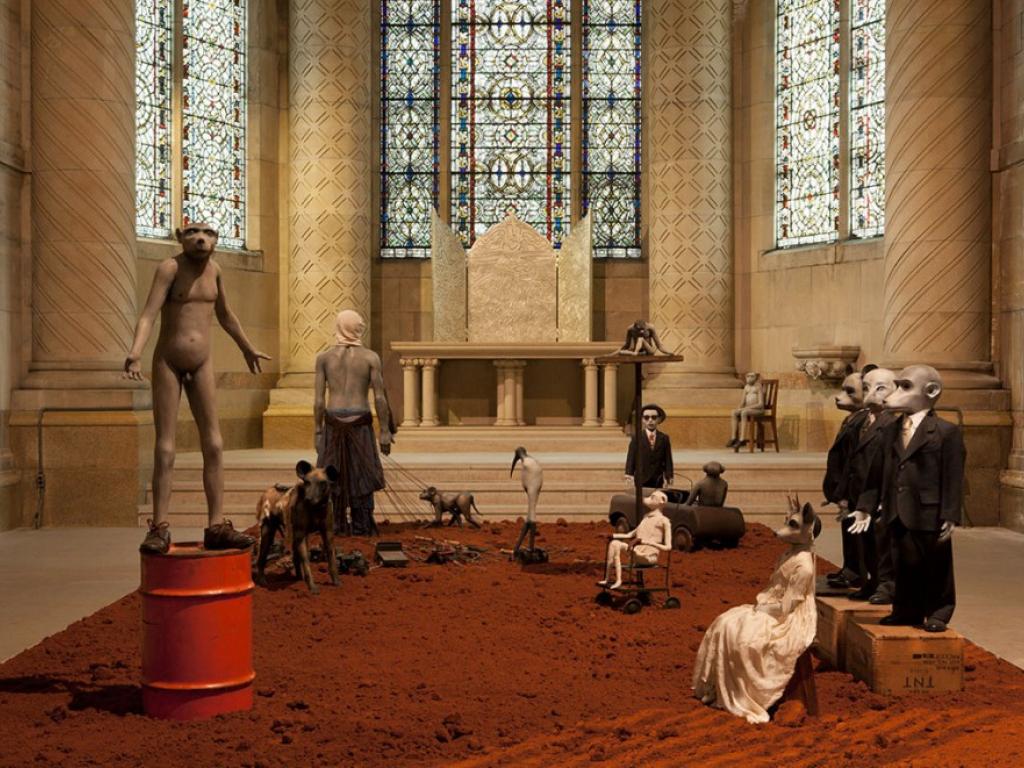

Professor Jane Alexander's installation: 'African Adventure' Chapel of St Columba with Keith Haring altarpiece. Cathedral Church of St John the Divine
A University of Cape Town Professor’s work is to go on display this month at the Tate Modern, Britain’s national gallery of international modern art. The London gallery has acquired one of Professor Jane Alexander’s pieces titled ‘African Adventure’ for their permanent collection for exhibition alongside other great works in the gallery’s new building extension.
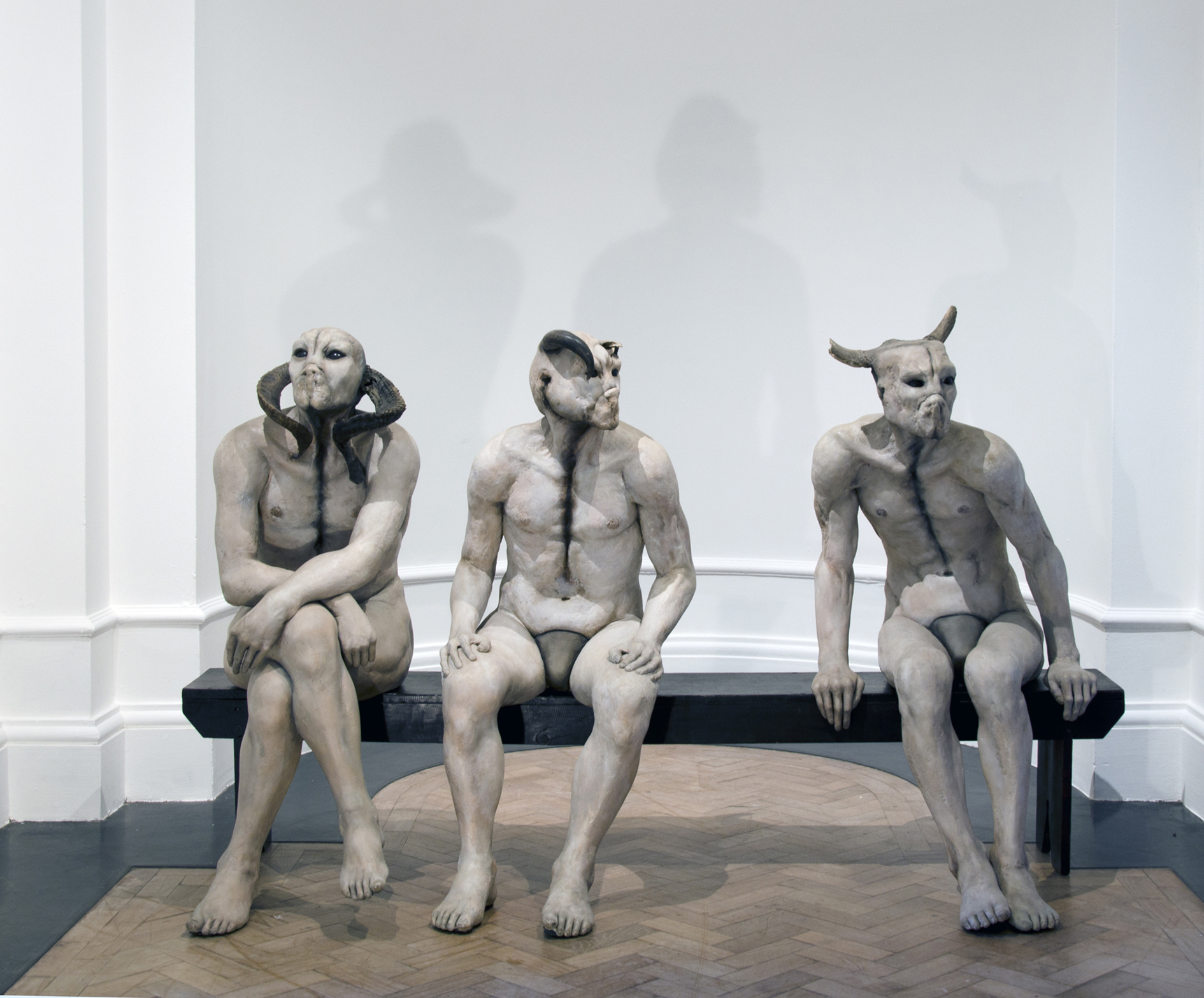
Alexander currently teaches sculpture at the Michaelis School of Fine Art. As a contemporary artist, she works with figurative sculpture installation, tableaux and photomontage. Her distinctive life-sized installations, which have earned her critical acclaim both locally and abroad, are influenced by various socio-political events that have occurred in South Africa as well as the broader global environment. Her most well-known sculpture The Butcher Boys is considered to be a social commentary on the state of emergency in South Africa during the 1980s.
'African Adventure' 1999 – 2002 is a mixed media tableau. The work concerns Europe’s complex relationship with Africa and has been installed as part of the 'Artist and Society' exhibition to coincide with the recent opening of the Tate's extension, the Switch House. It will be on show for the next few months. Alexander obtained both a BAFA (1982) and MAFA (1988) from the University of the Witwatersrand. Her research interests include migration, security, and contemporary art production in Africa and the Diaspora as well as its reception, distribution and marketing within an international context. Of her work, she says:
“Conceptually, my work is created from considering the interplay of various forms of research and chance observation, comparing issues of daily life as experienced and reported by ordinary individuals with theory, media, marketing strategies, forms of propaganda, and proselytism. Observing and investigating the relationship between human and non-human animal form and behaviour, domestically, in the wild and captivity, and considering the representation of both in the context of the hierarchies, taxonomies and social classification systems that are imposed on them, influences the way I interpret this information.” Jane Alexander 2015.
Quote sourced from http://www.tate.org.uk/context-comment/articles/who-is-jane-alexander